
Powering Africa's Future: How Solar Energy is Lighting Up the Continent
2/7/20264 min read
The Current Energy Landscape in Africa
The energy landscape in Africa is characterized by significant disparities and challenges, straining the socio-economic development of many nations. Currently, a substantial number of countries on the continent are heavily reliant on fossil fuels, which poses sustainability issues and contributes to environmental degradation. Despite possessing abundant renewable resources, including solar, wind, and hydro, the transition away from fossil fuels remains sluggish due to various obstacles.
One of the most pressing issues is energy accessibility, as millions of Africans remain without reliable electricity. According to the International Energy Agency, nearly 600 million people in sub-Saharan Africa lack access to electricity, leading to what is termed as energy poverty. This lack of access has far-reaching implications, affecting education, healthcare, and overall quality of life. Without reliable energy sources, communities struggle to operate essential services, limiting their potential for growth and development.
The limited infrastructure further exacerbates the energy gap, complicating the distribution of electricity across vast distances. Regions often experience disparities in energy availability, with urban areas receiving a higher share compared to rural communities. Such unequal distribution of energy resources not only hampers economic opportunities but also widens the gap between different socio-economic groups. Subsequently, areas with frequent power outages witness diminished investments and hindered business growth, perpetuating cycles of poverty.
In addition, as countries grapple with the repercussions of climate change, there is an urgent need for a rethinking of energy strategies. The implications of continued reliance on fossil fuels threaten both environmental sustainability and long-term economic stability. Therefore, a shift towards more sustainable energy models, particularly solar energy, is critical for addressing the existing energy gaps and fostering resilient socio-economic development across Africa.
The Rise of Solar Energy in Africa
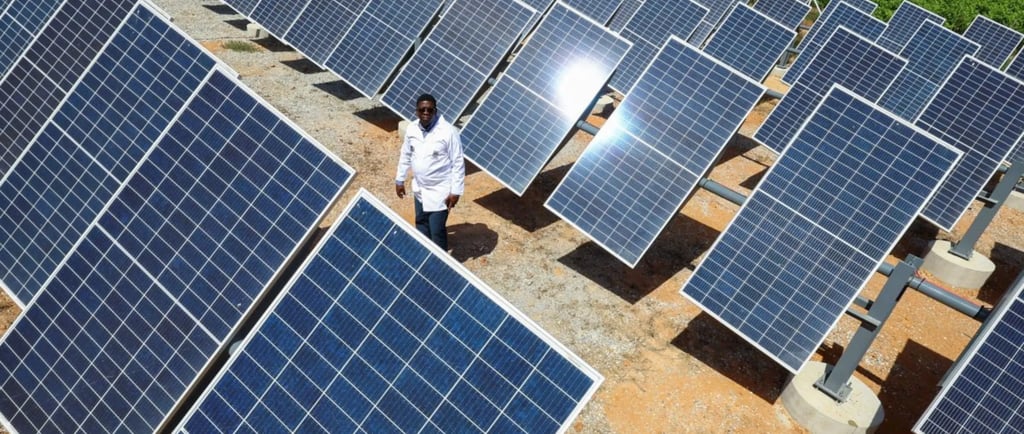
The growth of solar energy in Africa has been remarkable over the past few years, demonstrating the continent’s potential to adopt renewable energy sources as viable alternatives to traditional fossil fuels. With an abundance of sunlight throughout the year, Africa has become a focal point for solar energy initiatives aimed at addressing ongoing energy access challenges and promoting sustainable development.
Government policies and international investments have bolstered this trend, paving the way for numerous solar projects across various countries. For example, countries like South Africa and Morocco have made significant strides in developing large-scale solar farms. The Örji Solar Park in Morocco is a prime example, contributing towards the nation’s goal of generating over 52% of its energy from renewable sources by 2030. Such initiatives not only enhance energy security but also create jobs and stimulate local economies.
In addition to large-scale projects, small-scale off-grid solar solutions have emerged as critical players in the African energy landscape. These systems often cater to rural communities that remain disconnected from grid electricity. Companies like M-KOPA and BBOXX have led the way in providing affordable solar kits that enable households to harness solar energy for lighting, charging devices, and powering appliances. This decentralized approach ensures that energy reach is maximized while promoting economic empowerment in underserved areas.
The role of innovation and technology cannot be overlooked. Advances in solar panel efficiency, energy storage solutions, and financing models have further propelled the solar energy sector. By fostering partnerships between governments, NGOs, and the private sector, African nations are leveraging technology to create sustainable energy solutions that meet their growing demands.
Challenges and Opportunities in Solar Energy Deployment
The deployment of solar energy in Africa is hindered by various challenges, including financial constraints, regulatory issues, and technological barriers. Many countries on the continent face high upfront costs associated with solar panel installation and maintenance, which can deter investment. This financial obstacle is exacerbated by insufficient access to affordable financing options. Furthermore, many potential users are often unaware of the long-term savings and benefits associated with solar energy. Regulatory frameworks in several African nations also present barriers by creating uncertainty for investors and potential adopters. Inadequate policies surrounding the energy sector can result in a lack of grid connectivity and affect the ease of accessing solar technologies.
Despite these challenges, there are numerous opportunities for advancing solar energy in Africa. Partnerships between the public and private sectors play a crucial role in pushing forward solar energy projects. Collaborative initiatives can leverage the strengths of both sectors, pooling resources and expertise to overcome existing hurdles. Additionally, international funding from organizations such as the World Bank and regional development banks is increasingly available to finance renewable energy projects. This financial support not only provides the necessary capital for solar initiatives but can also bolster local economies, creating jobs and skills development.
Innovative financing models, such as pay-as-you-go systems or micro-financing options, present further opportunities to enhance solar energy adoption. These models can reduce financial barriers by allowing consumers to pay for energy at a rate that fits their budget. To maximize the potential of solar energy deployment, stakeholders must focus on integrating these strategies into a cohesive energy policy that addresses both challenges and opportunities. By fostering a collaborative environment, Africa can become a leader in solar energy, harnessing its abundant sunlight for sustainable development.
The Future of Solar Energy in Africa
The future of solar energy in Africa is poised to be transformative, with significant implications for economic growth, job creation, and environmental sustainability. Current trends indicate a substantial increase in the adoption of solar technologies across the continent, driven by advancements in solar panel efficiency and storage capabilities. Emerging technologies, such as solar mini-grids and off-grid solutions, are facilitating energy access in remote and underserved communities, which can bolster local economies and enhance livelihoods.
As solar energy becomes more accessible, it is expected to play a crucial role in reducing energy poverty, which affects millions of Africans. Additionally, the integration of solar power into the wider energy mix can stimulate job creation in manufacturing, installation, and maintenance sectors. This expansion of the renewable energy market presents significant employment opportunities, particularly for youth, who represent a large proportion of Africa's population. Educational initiatives aimed at skill development in renewable energy are essential to equip the workforce for these emerging job roles.
The role of policy and governance cannot be overstated in shaping the solar energy landscape in Africa. Governments are increasingly recognizing the need for regulatory frameworks that promote investment in renewable energy projects. Effective policies can incentivize private sector participation, enabling the financing of large-scale solar installations. Furthermore, community involvement in energy projects is crucial for their success. Local ownership models and participatory approaches can drive awareness and acceptance of solar energy, ensuring that the benefits are widely shared.
In conclusion, the trajectory of solar energy in Africa suggests a bright future, underpinned by technological innovation, supportive policies, and active community engagement. As more individuals and businesses embrace solar solutions, the potential for the continent to achieve sustainable development and energy security becomes increasingly attainable.